

How Per-Seat Ride Sharing Cuts Traffic in Pakistan's Cities
Every shared seat is one fewer car making the same trip. Here's the actual math behind how per-seat ride sharing eases congestion in Pakistan's busiest cities.


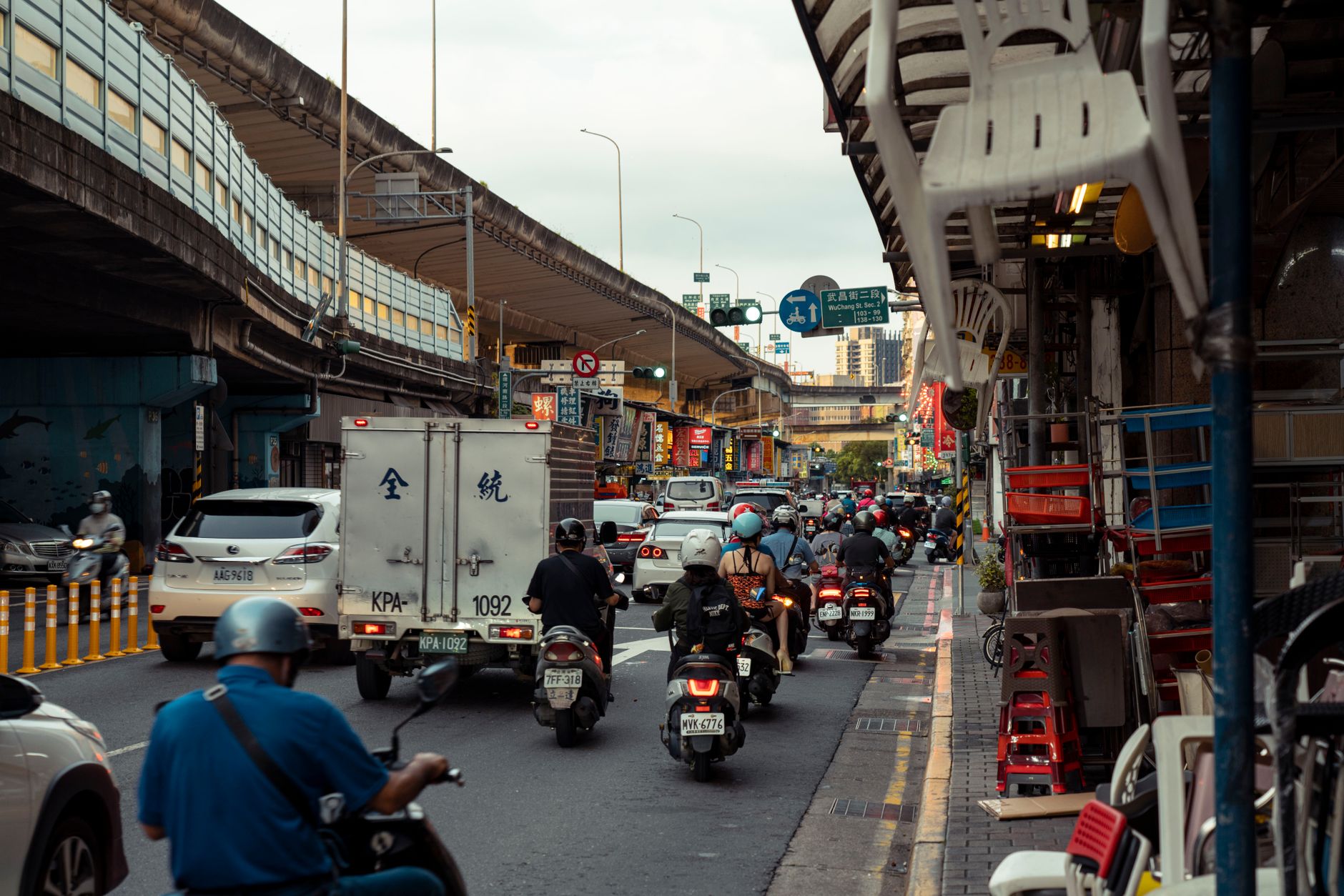
Pakistan's biggest cities share a familiar problem: peak-hour roads carrying far more single-occupant vehicles than the road network was built for. Per-seat ride sharing doesn't add capacity to the road — it uses the capacity already sitting empty in cars already on it.
The empty-seat math
A car with a driver and one passenger has, on most vehicle types, two or three seats still empty. Multiply that across a commute corridor at rush hour and the unused capacity is enormous — enough to carry a meaningful share of the other single-rider trips happening on the exact same road at the exact same time.
Fewer cars, not fewer trips
Per-seat ride sharing doesn't ask anyone to travel less — it fills the seats already making the trip instead of adding a new car for each rider. Three people sharing one car instead of using three separate ones is one car's worth of road space and fuel, for the same three journeys completed.
Why this matters most at commute hours
Congestion in Karachi, Lahore, and Islamabad/Rawalpindi peaks precisely when the most people are travelling similar routes at similar times — the exact condition per-seat matching works best in. A driver's daily commute and a rider's daily commute overlapping is the easiest possible match to make.
The commuter's incentive lines up with the city's
No one shares a seat purely to reduce congestion — they do it because it's cheaper and about as fast. The traffic benefit is a side effect of a lot of individually reasonable decisions, which is part of why it scales better than asking people to simply drive less.
Frequently asked questions
Does per-seat ride sharing replace public transport?
No — it fills a different gap: on-demand, exact pickup-to-drop-off trips that fixed-route buses and vans don't cover, using cars that were already going to be on the road.
Does this reduce fuel consumption too?
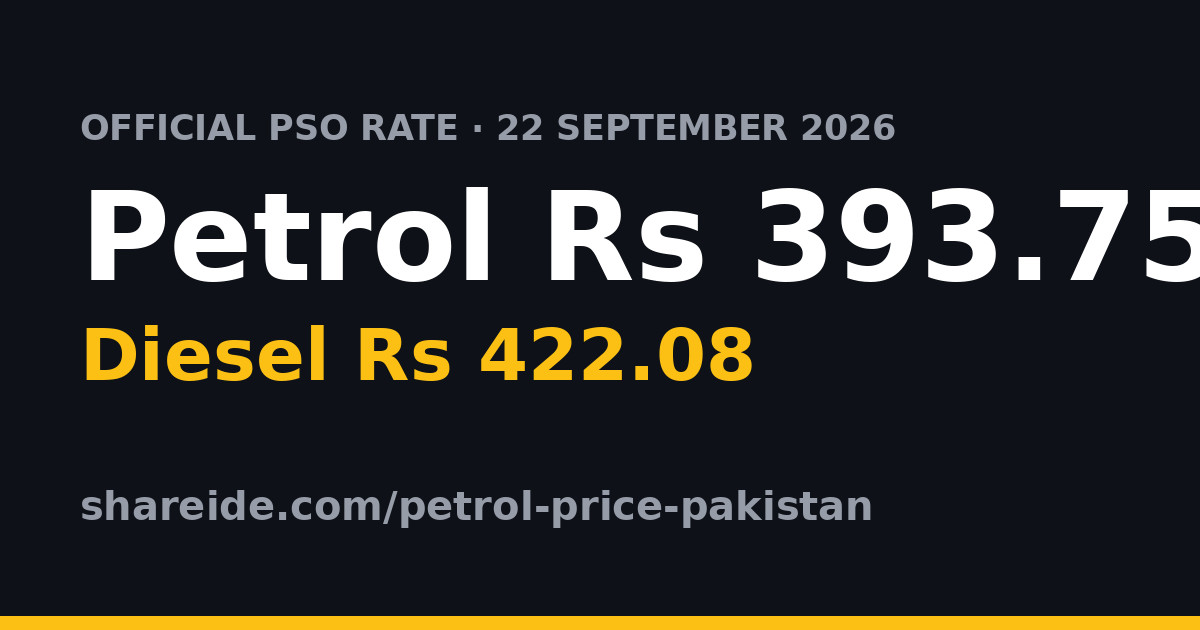
Yes — the same trip's fuel cost is spread across more people instead of one car per rider burning fuel separately for near-identical routes.
Which cities does this apply to?
Shareide operates per-seat ride sharing across its 9 launch cities; see the cities page for the current list.
More from the Shareide Blog
Handpicked reads to help you get the most out of Shareide

Try Per-Seat Ride Sharing Today
Download Shareide and book your first seat - cheaper, verified, and built for Pakistan's daily commuters.
Download App