

How Ride Sharing Helps Reduce Parking Pressure in Pakistani Cities
Every full parking lot in a Pakistani city is really a story about how many cars carried how few people. Here's the parking case for per-seat ride sharing.

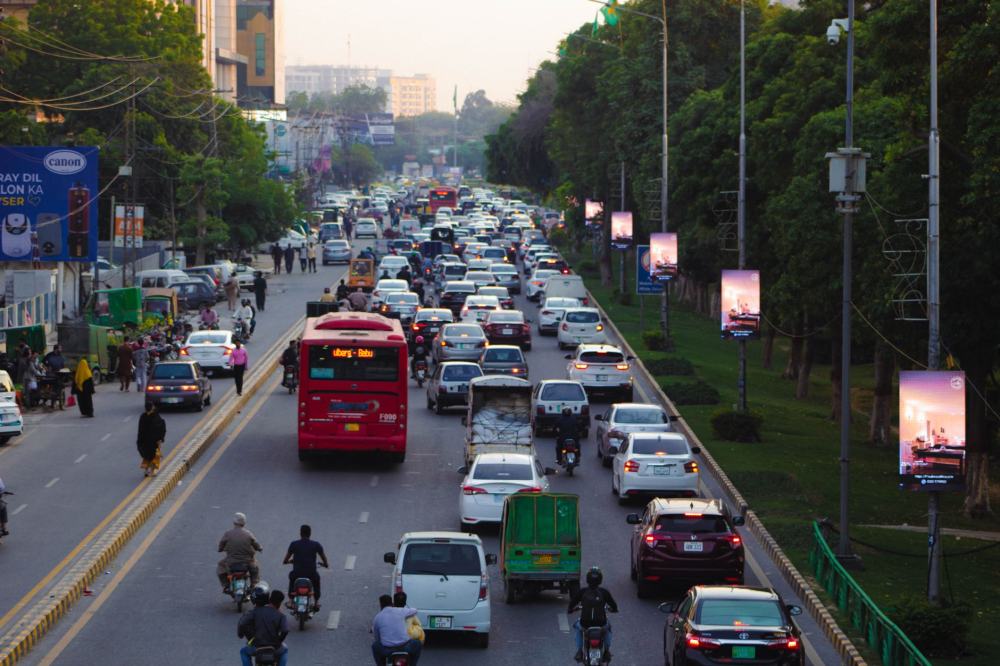
A full parking lot in a Pakistani city is really a story about how many cars carried how few people to get there. Per-seat ride sharing attacks that problem from an angle most parking policy doesn't: fewer cars arriving in the first place.
The parking math behind fewer cars
A single car carrying three riders sharing a route needs exactly one parking space at the destination, or none at all if it's simply dropping people off and moving on to the next match. Three separate solo trips to roughly the same destination would otherwise mean three cars competing for space once they arrive.
Where this matters most
Commercial districts, university campuses, and hospital areas - anywhere a lot of people converge on one location at similar hours - see the sharpest parking pressure in Pakistani cities. These are exactly the high-overlap destinations where per-seat matching works best, covered in the corporate and university carpool guide.
A side effect of cheaper trips, not a goal in itself
Nobody shares a seat specifically to ease parking pressure - they do it because it's cheaper, covered in the per-seat ride sharing guide. The parking benefit follows from the same seat-filling math that already drives the traffic reduction covered in the traffic impact guide.
What this means for destinations, not just roads
Easing road congestion and easing parking pressure are really the same effect measured at two different points of the same trip - fewer vehicles making the journey, and fewer vehicles needing somewhere to sit once they arrive.
Frequently asked questions
Does per-seat ride sharing reduce parking demand at every kind of destination?
It helps most where trips converge - offices, campuses, markets - less so for destinations people mostly reach individually and at scattered times.
Is this different from the traffic-reduction case for ride sharing?
It's the same underlying math - fewer cars making equivalent trips - just measured in parked cars instead of moving ones; see the traffic impact guide.
More from the Shareide Blog
Handpicked reads to help you get the most out of Shareide


Try Per-Seat Ride Sharing Today
Download Shareide and book your first seat - cheaper, verified, and built for Pakistan's daily commuters.
Download App