

Islamabad & Rawalpindi Commute Guide: Twin Cities, One Shared Ride
What a commute in Islamabad actually costs — real corridors like G-11 / G-13 to Blue Area, the current per-km rates, and where a monthly plan works out cheaper than booking each morning.

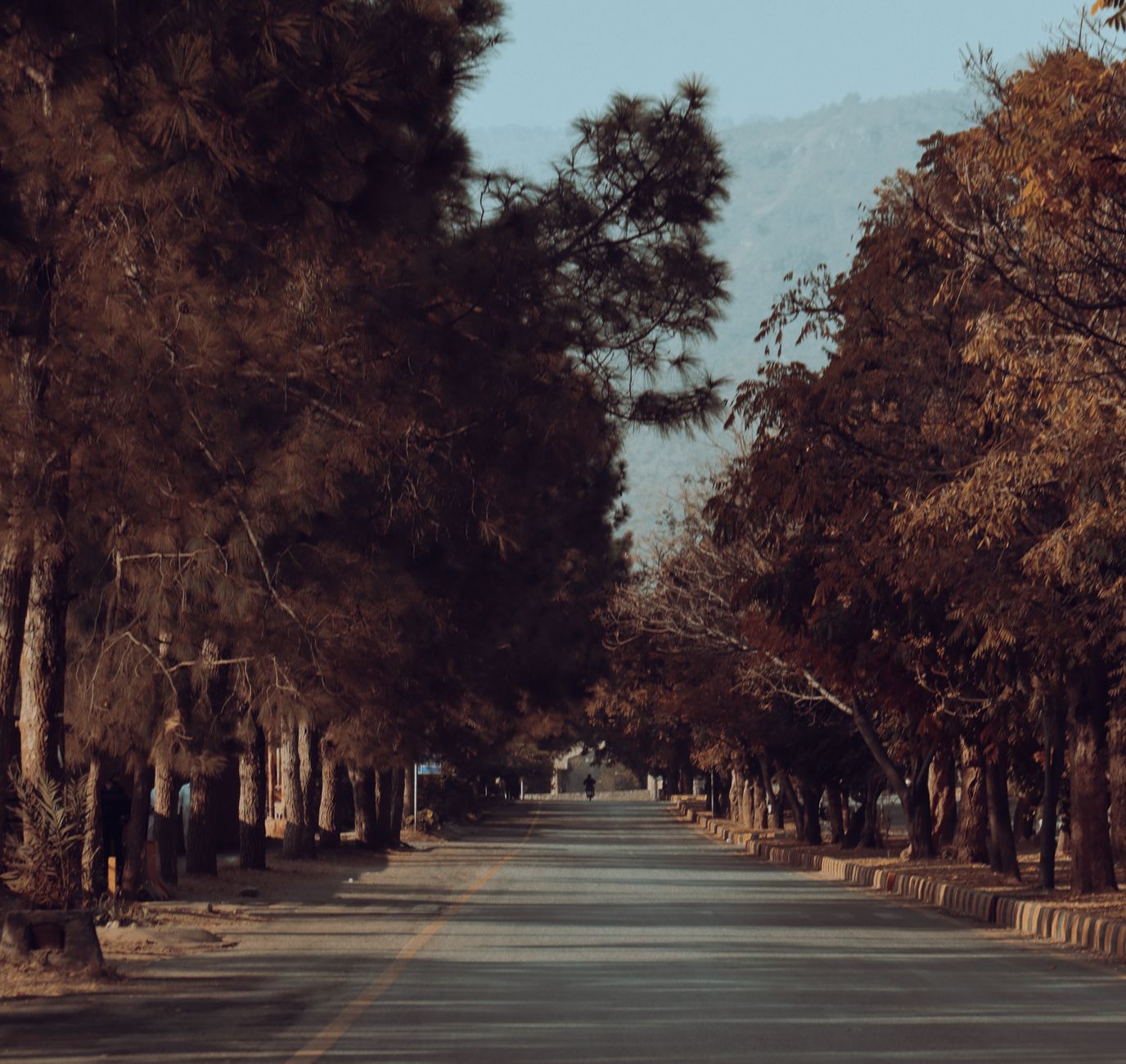
Islamabad is the easiest Pakistani city to drive in and one of the more awkward to commute in without a car. The sectors are spread out by design, the work concentrates in Blue Area and the government enclave, and a very large share of the people doing that work sleep in Rawalpindi. The daily journey is a twin-city one, and that is what makes a fixed daily arrangement more valuable here than a fresh booking each morning.
Where the money actually goes
The Metro Bus covers the Pindi–Islamabad spine and the airport line well, and nothing off them. Sector-to-sector travel — G-11 to I-9, F-7 to Blue Area — is a car problem. Fuel and parking in Blue Area then make a single-occupant car a poor answer for a trip two other people on your street are also making.
Real Islamabad routes and real fares
5 corridors carry most of the repeat traffic in Islamabad, from the 6 km F-8 / F-10 run up to 28 km between Bahria Town Phase 7 and Blue Area. Car fares below are base Rs 105 plus Rs 38 per km, floored at Rs 360.
| Route | Distance | Car | Bike | Notes |
|---|---|---|---|---|
| G-11 / G-13 → Blue Area | 10 km | Rs 485 | Rs 165 | The core office run. |
| F-8 / F-10 → Blue Area | 6 km | Rs 360 | Rs 120 | Short, dense, heavy at 9am. |
| Bahria Town Phase 7 → Blue Area | 28 km | Rs 1,169 | Rs 399 | Long commute over the Expressway. |
| DHA Islamabad → Blue Area | 25 km | Rs 1,055 | Rs 360 | Expressway run, same-direction all the way. |
| I-8 / I-9 → F-6 / F-7 | 9 km | Rs 447 | Rs 152 | Cross-sector, poorly served by transit. |
One of those routes hits sit at the Rs 360 minimum — short enough that distance stops deciding the price. Longer runs like Bahria Town Phase 7 to Blue Area (28 km) are where the per-km rate starts to show. Figures are distance only; the live fare adds time, so an Islamabad crawl costs more than the same km moving freely. Rates checked 2026-09-01.
Car, bike, or something bigger
The rate card is national, so what changes in Islamabad is only which vehicle suits the distances above. One person on a short Islamabad hop is cheapest on a bike at Rs 13 per km; a group past four is cheaper in a Carry Daba (Rs 33 per km across 5 seats) than in two cars. Full table on the Islamabad page.
What 22 working days costs
G-11 / G-13 to Blue Area is 10 km, about Rs 485 one way and Rs 970 there and back. Twenty-two working days makes that 44 separate fares — and 44 separate mornings of finding a driver and agreeing a price at 8:15.
A monthly plan fixes one driver and one per-day rate for the month instead. Set one up here, or read how monthly plans work.
Islamabad to everywhere else
Seats out of Islamabad go to Lahore, Peshawar and Rawalpindi. Intercity is priced per seat and assigned to the nearest matching driver — no bidding, no haggling.
- Lahore — 375 km. M-2 motorway, roughly 4 hours
- Peshawar — 185 km. M-1, about 2 hours
- Rawalpindi — 15 km. Twin-city — treated as a local ride
Current per-seat fares on every route.
Areas on the map
A request from anywhere in Islamabad reaches every matching driver in range, but supply is thickest along the corridors above — Blue Area, F-6, F-7, F-8, F-10, F-11, G-9, and 9 more.
Questions people ask about Islamabad
Is Islamabad to Rawalpindi a local ride or an intercity one?
Local. The twin cities are treated as one commute area, so a Saddar-to-Blue-Area trip is priced as a normal city ride, not an intercity one.
Can I share a ride between sectors?
Yes — sector-to-sector is exactly the trip the Metro Bus does not serve, so it is where sharing helps most. Set your pickup on the sector road rather than deep inside a lane and the driver reaches you faster.
Do you cover Bahria Town and DHA Islamabad?
Yes. Both are long Expressway runs where the per-day rate on a monthly plan is worth comparing against booking a car twice a day.
My route in Islamabad is not listed — how do I price it?
Put the pickup and drop into the app. It prices the real road distance, not a straight line, which in Islamabad matters most on anything crossing the corridors above. A run out of Blue Area that is not in the table is quoted the same way. See the Islamabad page for the current rate card.
Going further afield? See the intercity guide.
More from the Shareide Blog
Handpicked reads to help you get the most out of Shareide


Try Per-Seat Ride Sharing Today
Download Shareide and book your first seat - cheaper, verified, and built for Pakistan's daily commuters.
Download App