

Per-Seat Ride Sharing and Pakistan's Carbon Footprint
Fewer cars making the same trips means less fuel burned overall. Here's the environmental case for per-seat ride sharing, beyond just cost.

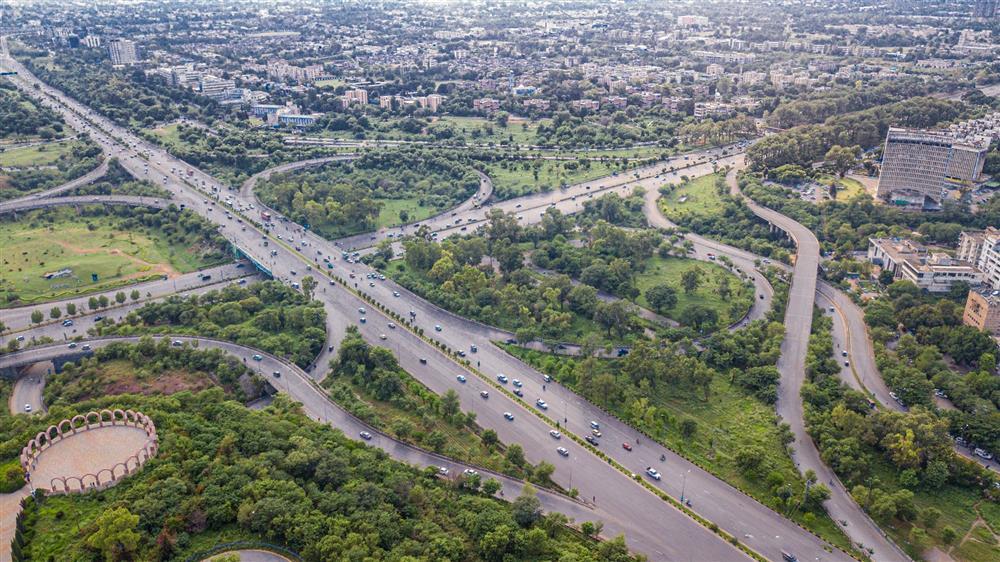
The traffic-reduction case for per-seat ride sharing, covered in the traffic impact guide, has a direct environmental counterpart: fewer vehicles making the same number of trips means less fuel burned overall, and lower emissions per person transported.
The per-trip emissions math
A car carrying three riders instead of one produces the same emissions for three completed journeys - meaning the emissions per person are roughly a third of what a solo trip would generate for the same distance.
Why this scales without asking anyone to sacrifice
No one shares a seat purely for environmental reasons - they do it because it's cheaper. The emissions reduction is a byproduct of individually rational decisions, which is exactly why it's more sustainable at scale than an approach that depends on people choosing to travel less.
Fuel cost and environmental cost move together
Fuel cost is one of the factors reviewed when Shareide sets fares, as covered in the fuel price guide - the same fuel efficiency that lowers cost per rider also lowers fuel burned per completed trip.
Frequently asked questions
Does Shareide publish emissions data?
Specific emissions reporting isn't published; the reduction described here follows directly from filling otherwise-empty seats instead of adding separate vehicles per rider.
Does this apply to intercity travel too?
Yes - the same seat-sharing math applies to longer intercity trips, covered in the intercity travel guide.
More from the Shareide Blog
Handpicked reads to help you get the most out of Shareide


Try Per-Seat Ride Sharing Today
Download Shareide and book your first seat - cheaper, verified, and built for Pakistan's daily commuters.
Download App