

Electric Vehicles and Ride Sharing: Why Pakistan Needs Both
Electric vehicles fix what a car burns. Ride sharing fixes how many cars are needed. Pakistan's cities need both, and the combination is worth more than either alone.


Pakistan's transport problem is usually framed as a fuel problem — an import bill, a subsidy debate, a price at the pump. Electrification addresses that directly. But it does not address the other half of the problem: the number of vehicles required to move the same number of people. Ten electric cars carrying one person each still occupy ten cars' worth of road.
Two different levers
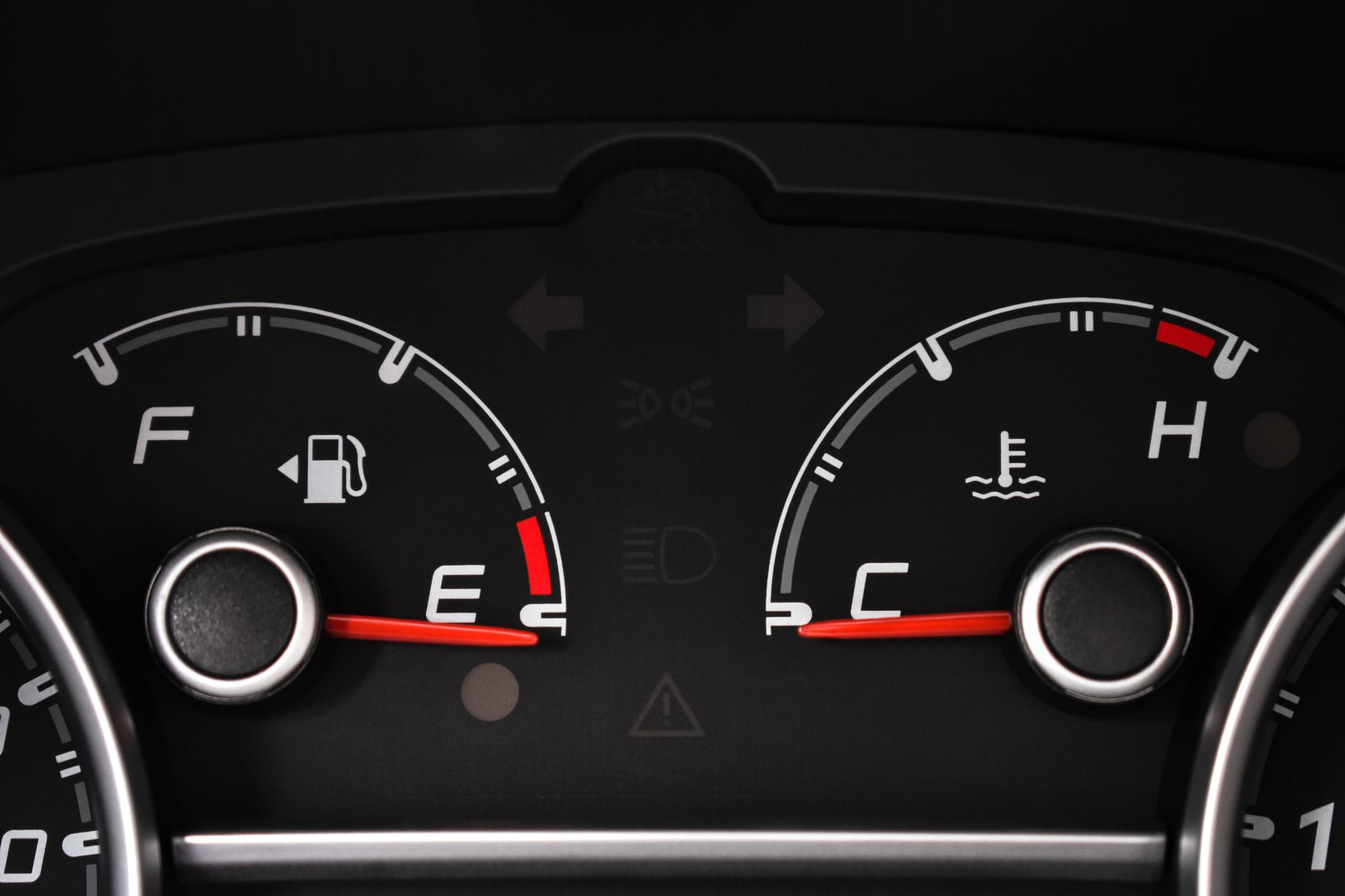
- Electrification lowers the cost and emissions per kilometre driven. Cleaner air, less imported fuel, lower running cost.
- Ride sharing lowers the kilometres driven per person moved. Less congestion, less parking pressure, fewer vehicles needed at all.
They multiply rather than overlap. An electric vehicle carrying three commuters delivers both benefits at once; that is roughly a third of the energy per person of three separate electric vehicles, and a third of the road space.
Why congestion needs the second lever
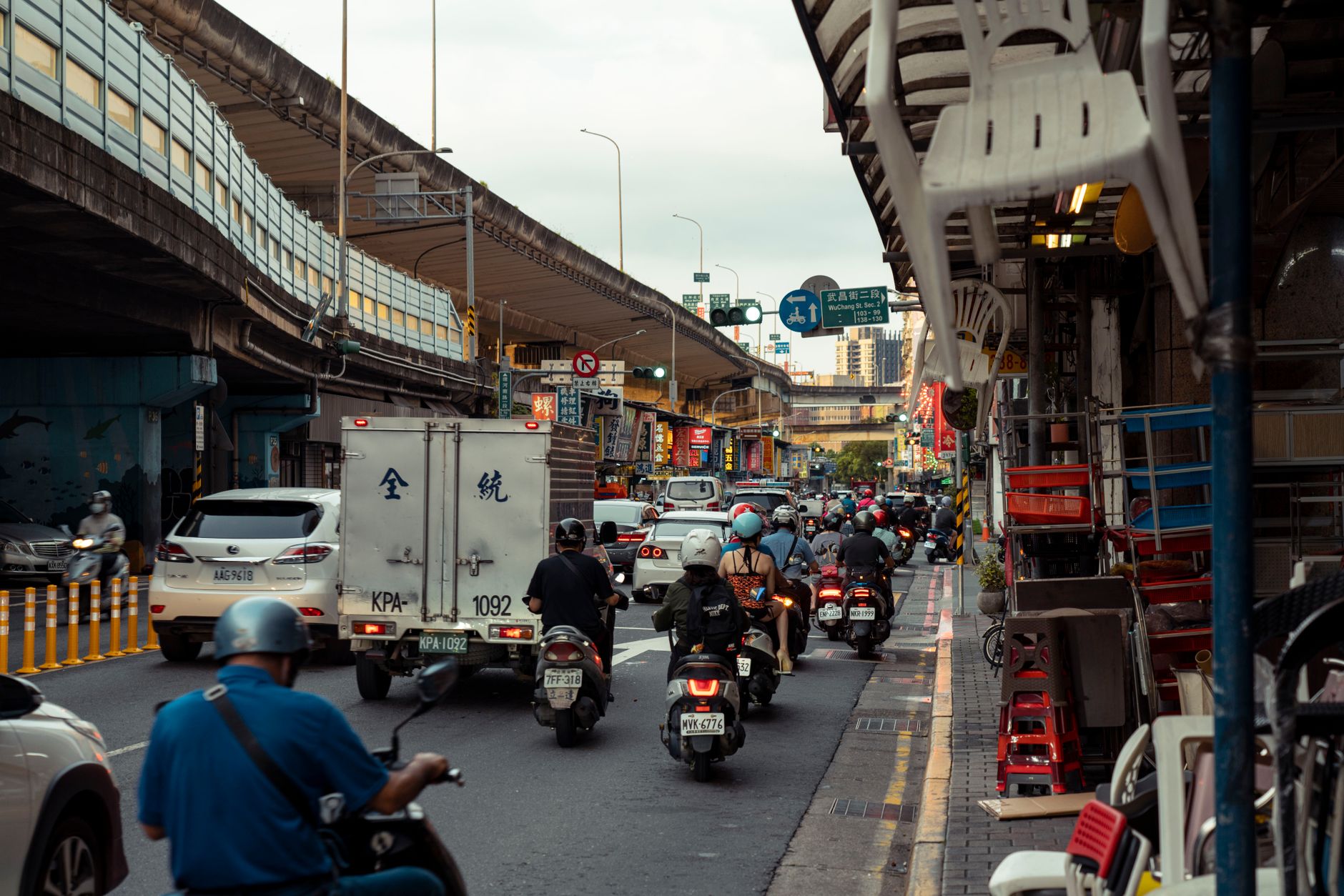
Lahore, Karachi, and Rawalpindi lose enormous amounts of collective time to congestion. Electrifying the fleet does nothing about that — a jam of electric cars is still a jam, just quieter. The only thing that reduces vehicle count is more people per vehicle. Our traffic reduction piece and parking pressure piece go into the numbers.
Where the transition actually stands
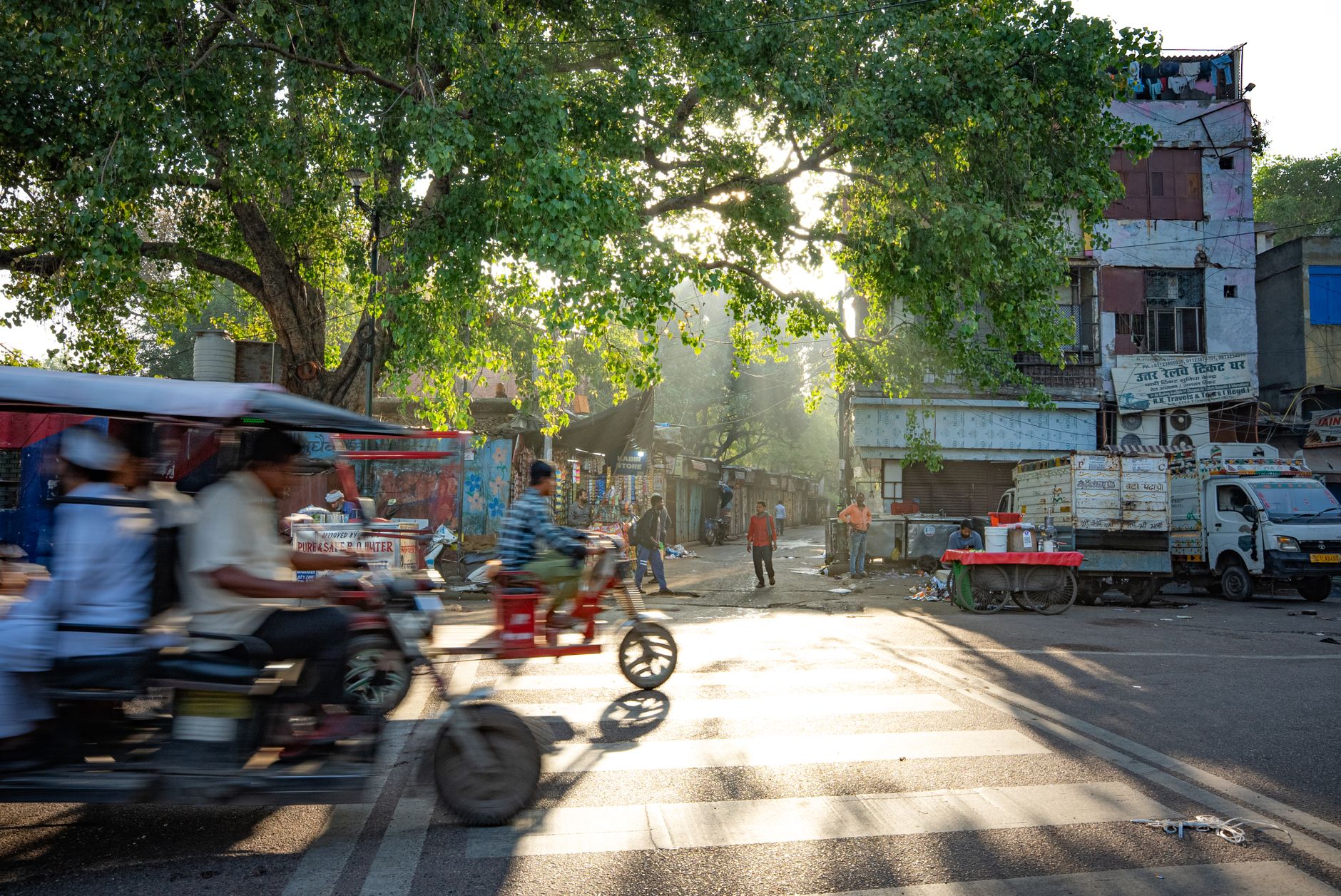
Pakistan's electrification push is concentrated where it can move fastest: two- and three-wheelers, supported by subsidies on approved electric bikes and rickshaws under the national programme, with targets in the hundreds of thousands of vehicles. That is the right place to start — bikes and rickshaws dominate the vehicle fleet and the daily trip count. Cars will follow more slowly, constrained by cost and charging infrastructure.
What this means for a commuter today
You do not have to wait for the fleet to change to get most of the benefit. Sharing a seat cuts your per-person energy use immediately, with no purchase, no charging point, and no battery to replace. When the vehicle you are sharing eventually becomes electric, the same trip gets cleaner again — and you will not have paid for the transition twice. The costs of each approach are compared in electric bike versus shared seat.
What it means for drivers
Drivers are where the two levers meet. A driver with a low running cost per kilometre and multiple paying seats per trip has the strongest economics in the market. That is the direction Shareide's model already points: per-seat pricing so a full car earns more without driving further, plus route posting so fewer kilometres are driven empty — see filling empty seats and the electric rickshaw guide.
Frequently asked questions
Do electric vehicles solve traffic congestion?
No. They reduce emissions and running cost per kilometre, but congestion is about vehicle numbers, which only higher occupancy changes.
Is ride sharing better for the environment than an electric car?
They address different things. Sharing reduces vehicles needed; electrification reduces impact per vehicle. Sharing an electric vehicle is best of all.
Will Shareide have electric vehicles?
Vehicle eligibility depends on registration, condition, and category rather than fuel type, so electric vehicles fit the same requirements as any other.
What is the fastest way to cut my own transport emissions?
Share the vehicle you travel in. It requires no purchase and takes effect on your very next trip. Our carbon footprint piece covers the maths.
More from the Shareide Blog
Handpicked reads to help you get the most out of Shareide



Try Per-Seat Ride Sharing Today
Download Shareide and book your first seat - cheaper, verified, and built for Pakistan's daily commuters.
Download App