

Electric Bike or Shared Seat? The Real Cost Over Two Years
An electric bike has almost no fuel bill. It also has an upfront price, a battery that ages, and a charging problem. Here's the two-year comparison.


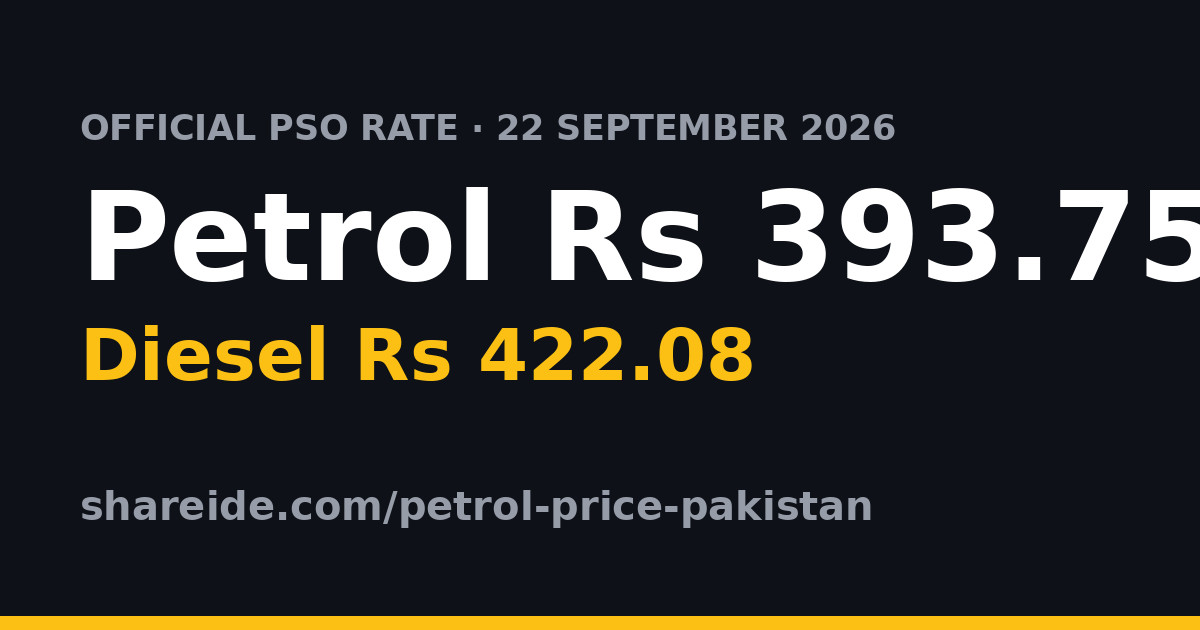
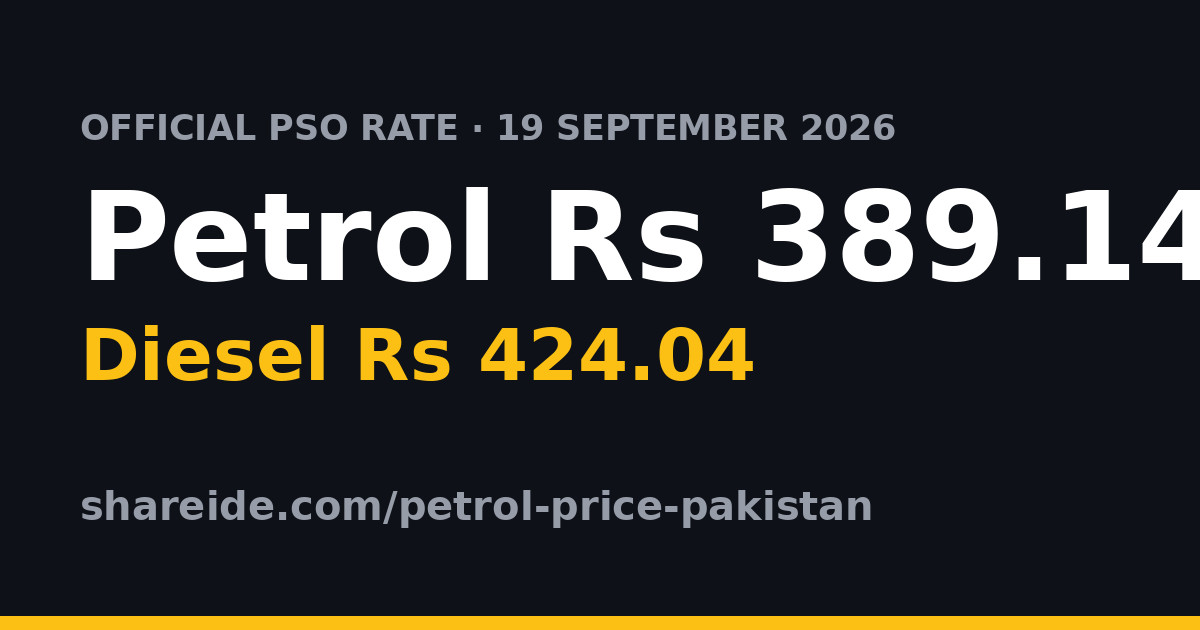
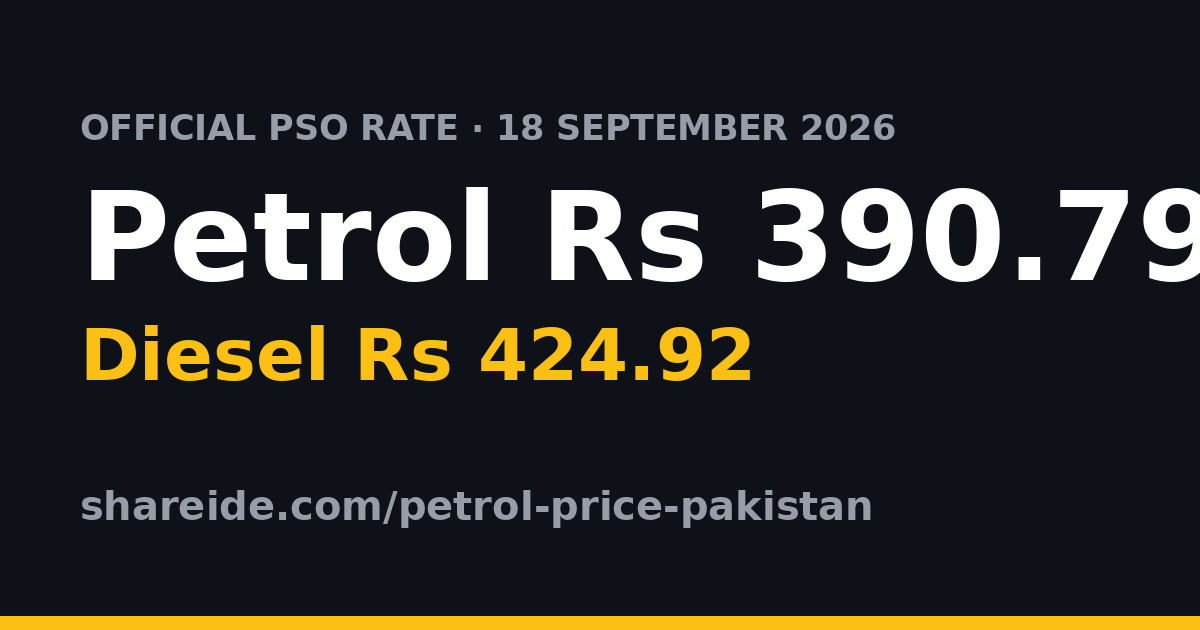
With petrol at Rs 398.30 a litre and subsidies available on approved electric motorcycles, more commuters are asking whether buying an electric bike is the way out of a rising fuel bill. It might be. But the comparison people run — electricity versus petrol per kilometre — is the easiest part of the question and the least decisive.
The four costs of any commute option
- Upfront capital. What leaves your account, or what you finance, before you travel a single kilometre.
- Running cost. Fuel or electricity per kilometre.
- Maintenance and replacement. Servicing, tyres, and — for electric — the battery.
- Risk and downtime. What happens on the days your vehicle is not usable.
A shared seat has zero of the first and third, and none of the fourth. That is the honest starting point.
Electric bike over two years
Wins: running cost per kilometre is a small fraction of petrol, so a heavy-mileage commuter recovers a meaningful amount each month. No fuel queues, no exposure to the next price review, and no petrol pump strike risk.
Costs and risks: the post-subsidy purchase price or installment burden; battery degradation, with replacement being the single largest expected expense; dependence on reliable charging where you park; range limits on longer routes; and thinner service networks outside big cities. Details of the scheme itself are in our electric bike scheme guide.
Shared seat over two years
Wins: no capital outlay, no maintenance, no battery, no depreciation, and no downtime that becomes your problem. You are not exposed to fuel price reviews the way an owner-driver is, and on Shareide a monthly plan fixes your cost for the term. Weather, illness, and bad roads are the driver's problem to route around, not yours.
Costs and trade-offs: you pay every month with nothing to sell at the end, and you are working around a schedule shared with other people rather than leaving whenever you like.
How the choice usually resolves
- Long daily distance, reliable home charging, funds available: the electric bike is a strong case, especially over two-plus years.
- Moderate distance, no proper charging point, tight monthly budget: a shared seat avoids capital risk entirely.
- Variable routes and unpredictable timings: shared rides handle this better than any owned vehicle with a range limit.
- Household with several commuters: often a mix — one owned vehicle plus shared seats for the other trips.
What people forget to count
Depreciation, monsoon downtime, the time cost of maintenance visits, and the risk of riding two wheels in Pakistani traffic during rain or fog. None appear in a cost-per-kilometre comparison, and all of them are real. Our own car versus Shareide comparison works through the same reasoning for cars.
Frequently asked questions
Is an electric bike cheaper to run than a petrol bike?
Per kilometre, clearly yes at current fuel prices. Total cost of ownership depends on the purchase price and battery replacement.
How long does an electric bike battery last?
It degrades with charge cycles rather than failing suddenly, and replacement is the largest single expense to plan for. Treat it as a scheduled cost, not a surprise.
Can I do both — own an electric bike and share rides?
Many households do exactly that: the bike for short local trips, shared seats for long commutes, rain, and days when the bike is charging or in service.
Which is better if I cannot charge at home?
Sharing a ride, comfortably. Charging access is the deciding constraint for most electric purchases in Pakistan.
More from the Shareide Blog
Handpicked reads to help you get the most out of Shareide

Try Per-Seat Ride Sharing Today
Download Shareide and book your first seat - cheaper, verified, and built for Pakistan's daily commuters.
Download App