

Vehari Commute Guide: Getting Around with Shareide
Vehari's rickshaw fares climb with the cotton and mango season, no fixed price in sight. Here's how Shareide's per-seat, CNIC-verified rides keep the fare the same all year.

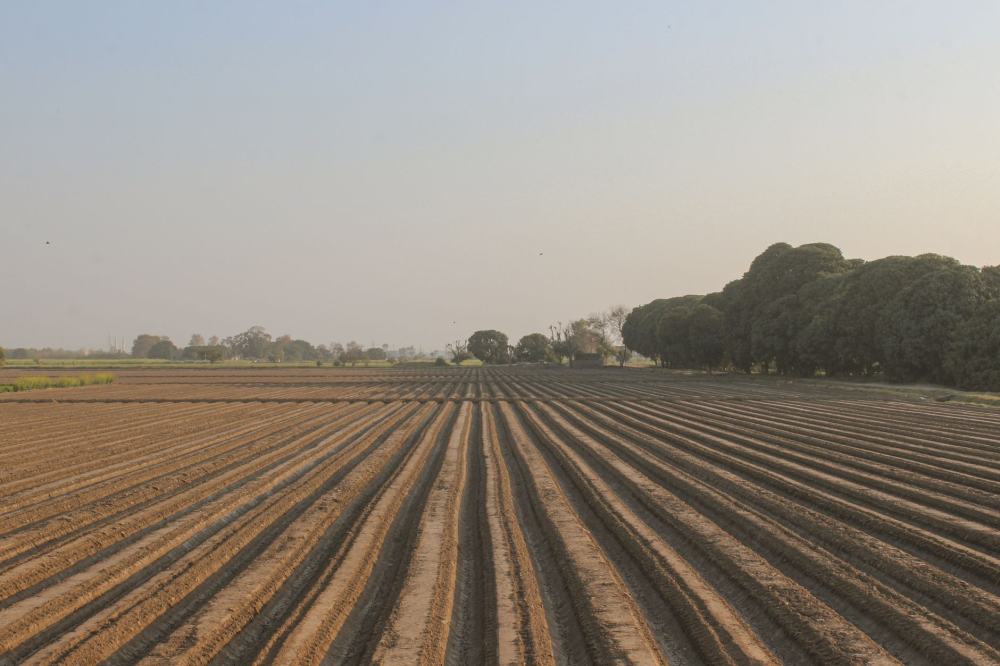
Vehari is a mandi town at the heart of southern Punjab's cotton and mango belt. Its economy runs on the arrival of raw cotton at the ginning factories and mango and citrus loads at the fruit market, which means the mandi area is busiest well before most cities are awake, and the demand for a quick, affordable ride into town starts early and stays heavy through the day. Add the seasonal labourers who travel in from surrounding villages during picking season, and Vehari's transport demand swings harder than a typical district town's.
The everyday commute in Vehari
Like most agricultural towns of its size, Vehari's short-distance transport runs almost entirely on chingchi rickshaws, motorbikes, and Suzuki vans on informal routes between the city and surrounding villages. None of it is priced consistently — a trip to the cotton market costs whatever gets negotiated that morning — and during peak cotton season, when the mandi is at its busiest, demand for a rickshaw can outstrip supply, pushing prices up further with no ceiling.
- Prices swing with demand, especially during cotton and mango season when the mandi is at its busiest.
- Open rickshaws in extreme heat. Vehari's summer regularly pushes past 45°C, and most local transport offers no shelter from it.
- Village-to-town trips depend on informal van routes that don't run on a fixed schedule or price.
How a per-seat, no-surge model changes that
Shareide's structure removes exactly the part of this that's most unpredictable: the price. You set your own fare per seat when you book through per-seat carpooling, and it doesn't move with demand — a ride booked in the middle of cotton season costs the same as one booked in the off months. Every driver is CNIC-verified, and every trip is tracked live with an SOS button available throughout, which matters on the village-to-mandi routes that don't otherwise have much oversight or many other vehicles around at that hour.
For mandi staff, ginning factory workers, or students making the same trip daily, a monthly subscription locks in a fixed fare and driver, cutting out the daily haggling entirely — one price, agreed once, for as long as the route stays the same.
Growing beyond Pakistan's biggest cities
Shareide is live in Pakistan's major cities and is expanding into more towns as it grows, with agricultural mandi towns like Vehari — where transport demand spikes hard and unpredictably around harvest and mandi season — a natural next step. Download the app to check current coverage.
Frequently asked questions
Do fares change during busy cotton or mango season?
No. Shareide has no surge pricing — the seat fare you bid and agree on with a driver stays the same regardless of how busy the mandi is that day.
Is Shareide available in Vehari yet?
Shareide operates in Pakistan's major cities and is expanding to more towns over time. Download the app to see current coverage for Vehari.
How do drivers get verified?
Every Shareide driver completes CNIC verification along with license and vehicle registration checks before they can accept their first ride.
More from the Shareide Blog
Handpicked reads to help you get the most out of Shareide




Try Per-Seat Ride Sharing Today
Download Shareide and book your first seat - cheaper, verified, and built for Pakistan's daily commuters.
Download App