

Transport Fares Are Rising Again: How Commuters Can Absorb Less of It
Every fuel hike arrives twice: once at the pump, and again in van fares, rickshaw rates, and delivery charges. Here's where the 2026 increase lands, and how to carry less of it.


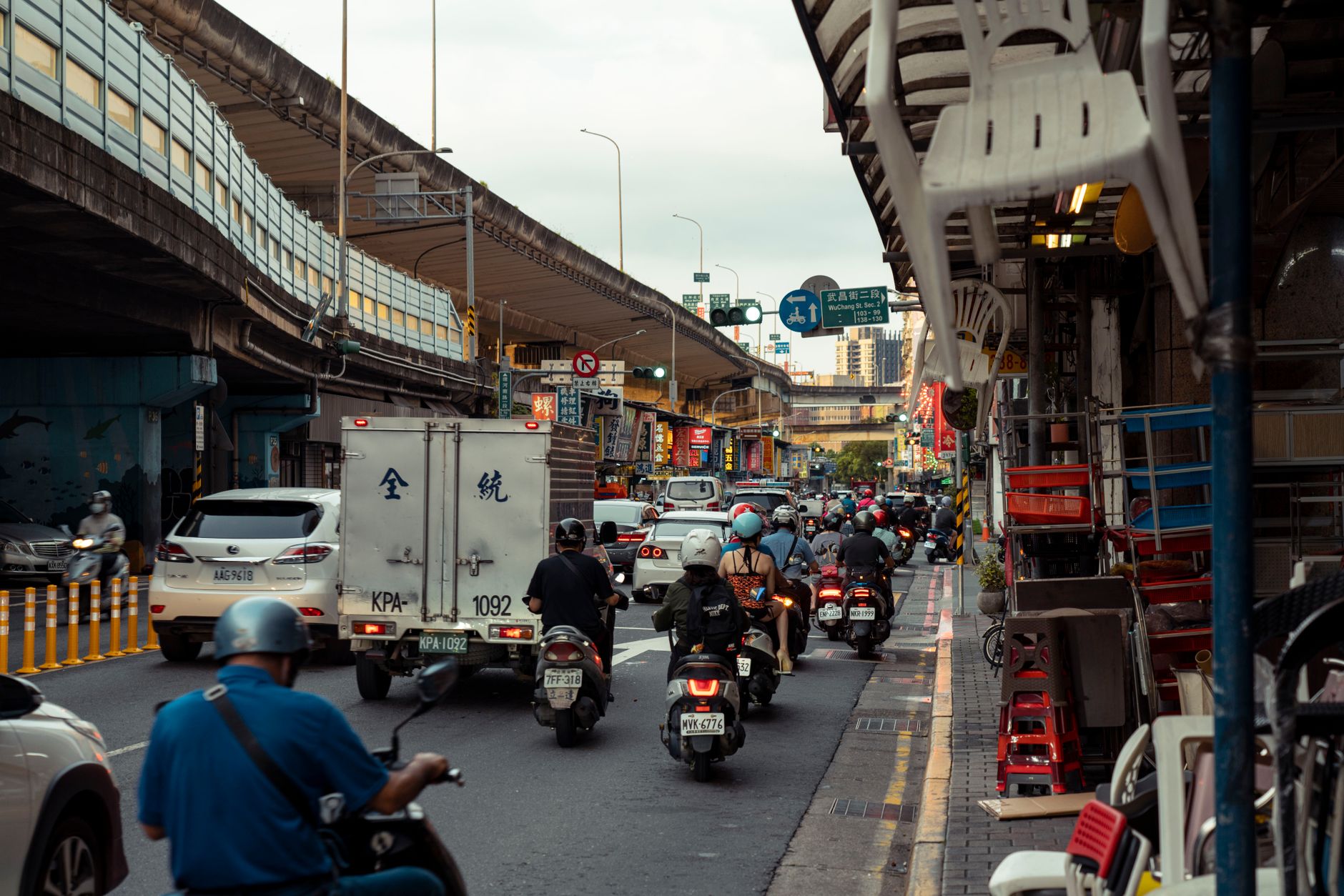
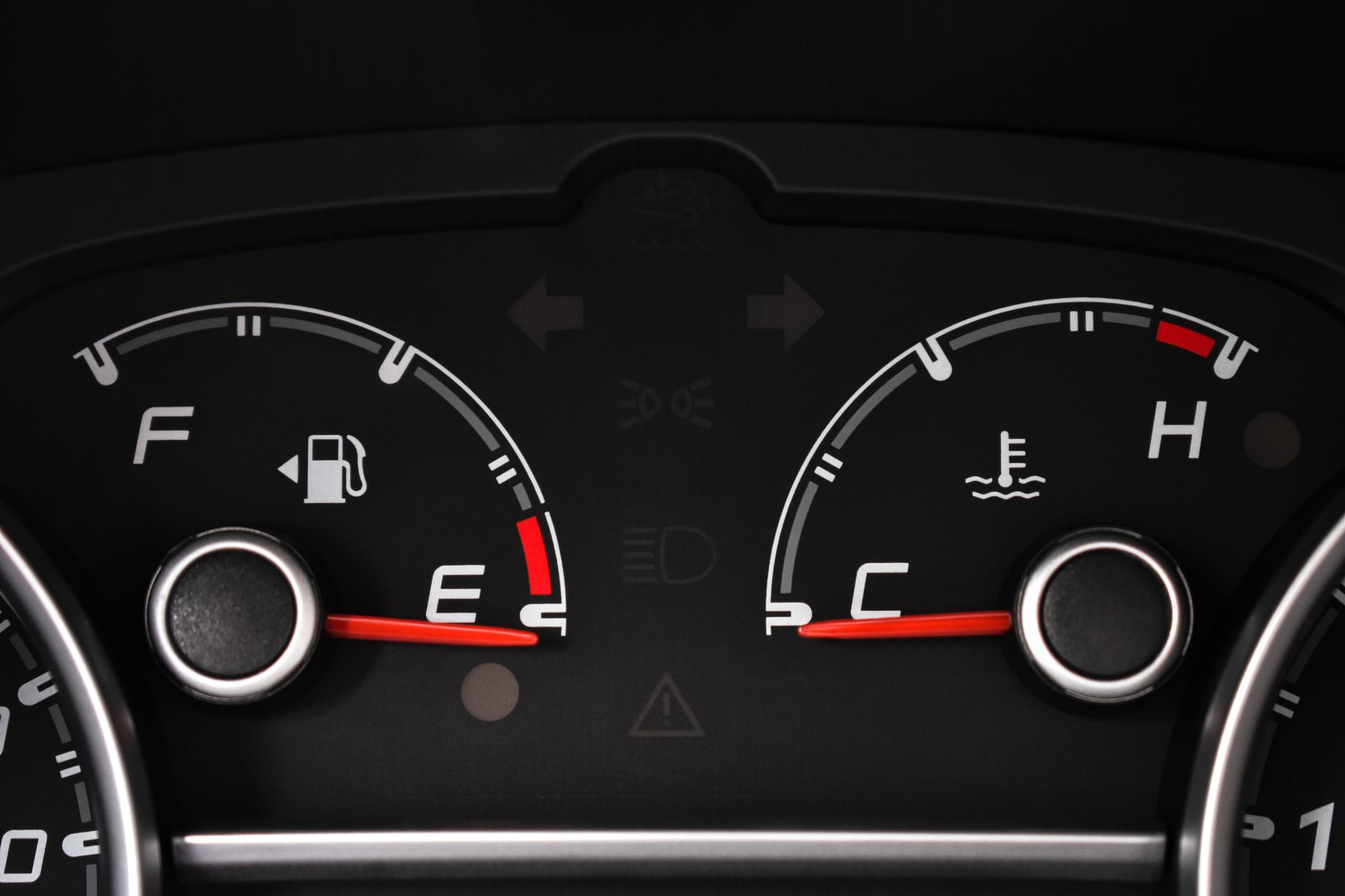
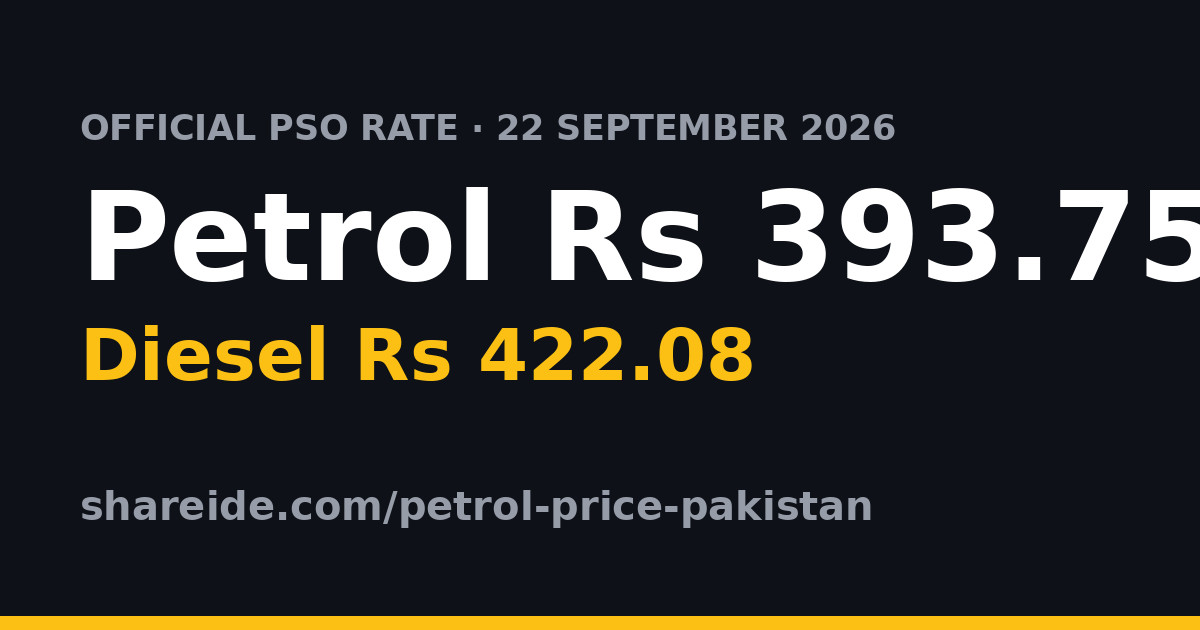
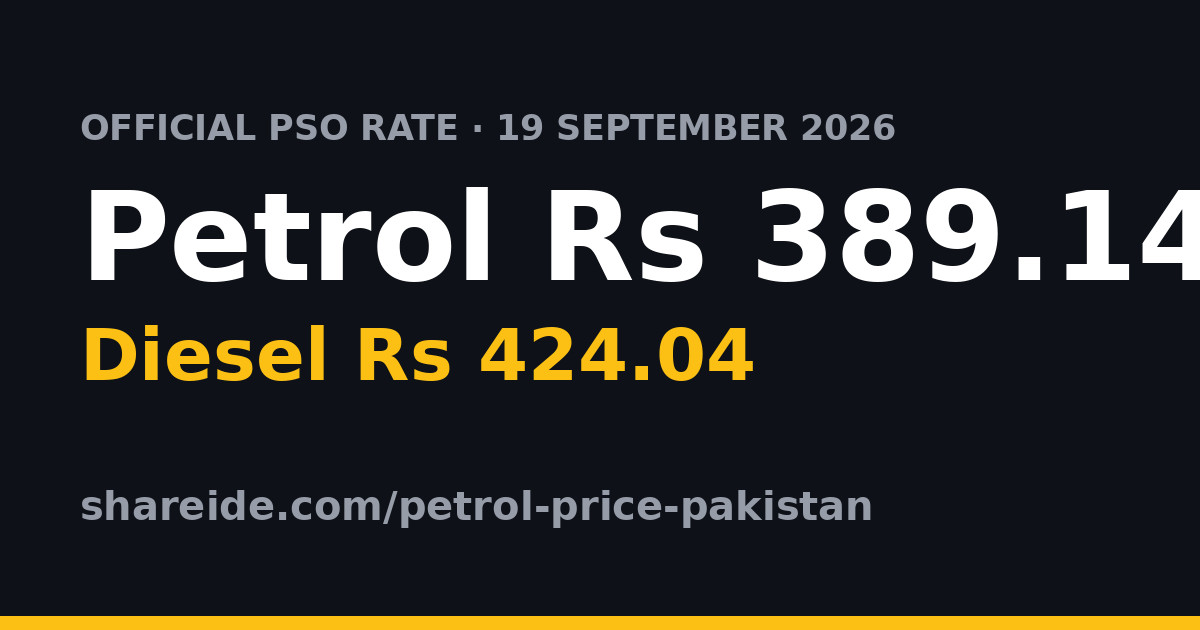
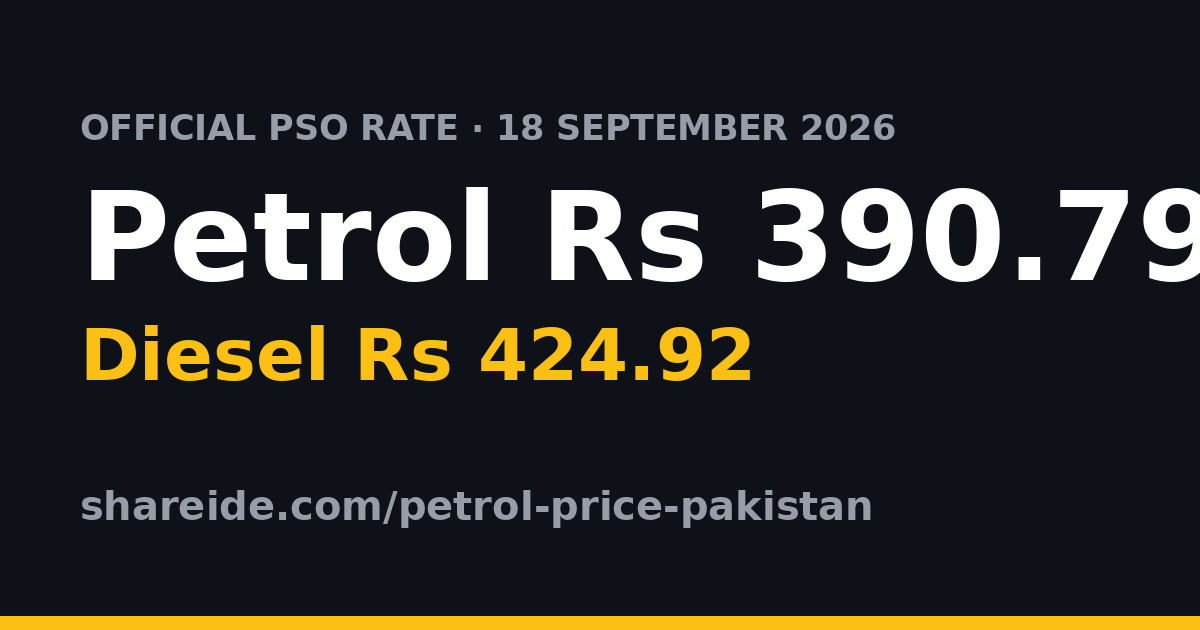
When fuel prices jumped in July 2026, public transport fares and freight charges followed within days. That sequence is familiar to anyone who commutes in Pakistan: the pump price is the headline, and the fare hike is the part that actually reaches your monthly budget.
Why fares move faster than they come down
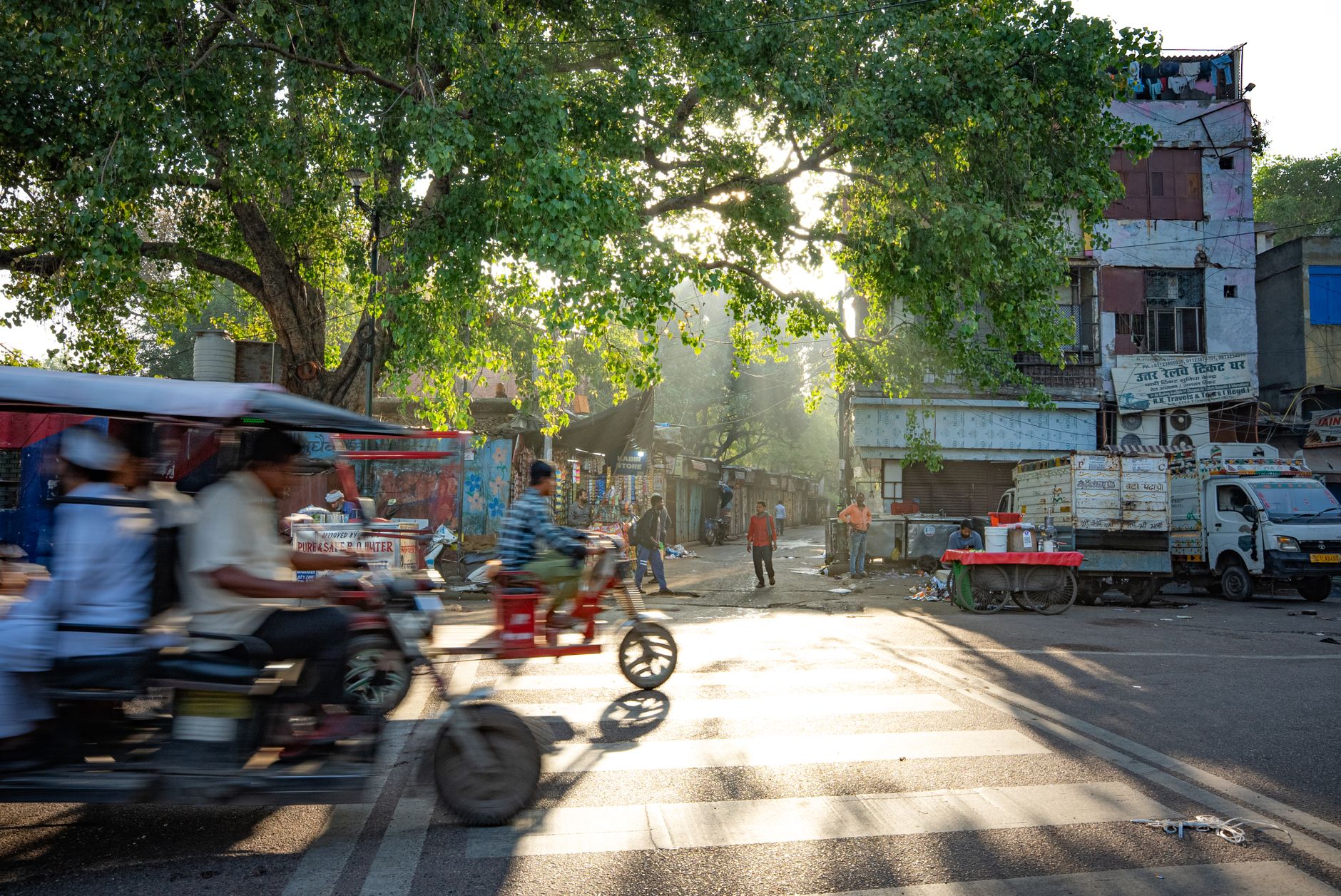
Informal transport — vans, wagons, rickshaws, local taxis — reprices quickly on the way up because fuel is a daily cash cost for the operator. Coming down is slower, for a simple reason: the operator absorbed several weeks of higher costs before raising the fare, and recovers that before cutting it. This is not unique to Pakistan, but it is sharper here because most operators run thin margins on cash.
Where the increase actually lands
- Daily commuters paying per trip. The most exposed group — a Rs 20 increase each way is roughly Rs 1,000 a month on a six-day week.
- Students. Usually the least able to absorb it, and often on the longest routes.
- Households where several people commute separately. The hike multiplies by the number of people, not the number of trips.
- Small businesses. Freight rates feed straight into stock costs, then into shelf prices.
Four ways to reduce your exposure
Convert per-trip spending into a fixed monthly cost
Per-trip payment means every fare hike hits you immediately. A monthly plan for your regular route fixes the cost for the term regardless of what happens at the pump in between.
Share the vehicle, not just the road
Fuel per trip is the same whether one seat or four is filled. Per-seat ride sharing divides the trip cost across the people actually travelling, so each hike is split rather than carried alone.
Coordinate with people already going your way
Colleagues and classmates on the same corridor are the cheapest co-riders available, because the route already matches. Our workplace and campus carpool guide covers how to organise this without it becoming an administrative project.
Cut trip count, not trip quality
Combining errands into one trip, and scheduling rather than booking last minute, quietly removes trips from your month. Errand runs are the usual place to find two or three of them.
The wider picture
Pakistan's cities lose a large amount of economic time to congestion and to vehicles running near-empty. Fare hikes are painful individually, but they also push behaviour in a direction the cities need: fewer single-occupancy vehicles carrying the same number of people. That is the argument in our traffic reduction piece and the household economics piece.
Frequently asked questions
Do ride-hailing fares rise with fuel prices too?
Costs feed into what drivers will accept, but on Shareide the fare is negotiated per seat rather than set by a surge algorithm, so there is no automatic multiplier applied when fuel moves.
Why do local van and rickshaw fares rise so quickly?
Fuel is a daily cash cost for the operator, so the increase is felt immediately and passed on immediately.
What is the single most effective way to cut commute costs?
Sharing the vehicle. Nothing else changes the cost per person as much, because it attacks the biggest inefficiency — empty seats.
Is a monthly plan worth it if I travel only some days?
It pays off best on a genuinely repeated route. For occasional travel, per-trip booking with a bid you set is usually the better fit.
More from the Shareide Blog
Handpicked reads to help you get the most out of Shareide
Try Per-Seat Ride Sharing Today
Download Shareide and book your first seat - cheaper, verified, and built for Pakistan's daily commuters.
Download App